(Part 2) She Bought 60 Brushy Acres for Back Taxes — Her Goats Cleared It Down to an Old Stone Well
(Part 2) She Bought 60 Brushy Acres for Back Taxes — Her Goats Cleared It Down to an Old Stone Well
.
.
Part 2: The Ripple of Generosity
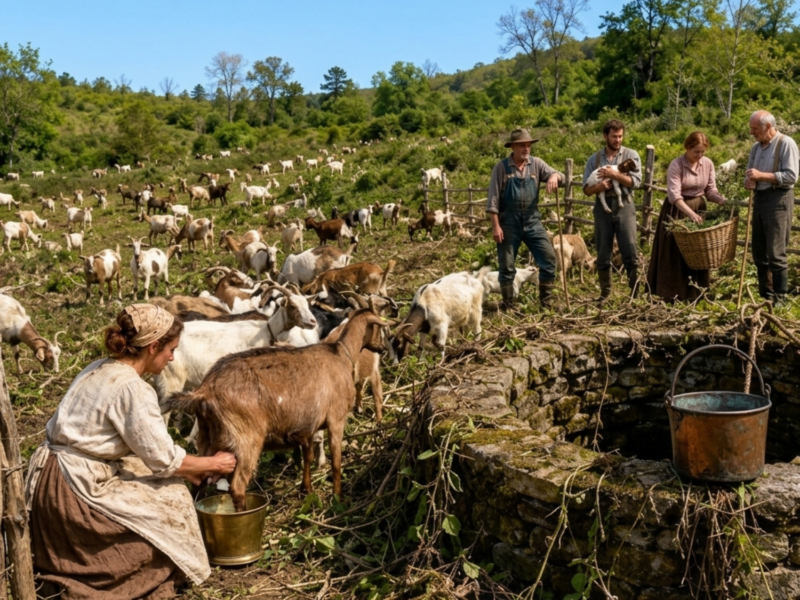
As dawn broke over Redemption, Elspeth Finch stood at the edge of her property, her heart racing with the gravity of the choice she had made. The well, hidden beneath the stone, was a secret she had guarded fiercely, but the whispers of desperation from her neighbors tugged at her conscience. She had witnessed the toll the drought had taken on the town—the skeletal cattle, the weary faces of families struggling to survive.
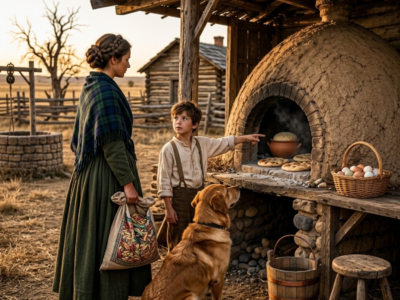
With Finn by her side, she prepared to unveil the well to the community. The sun cast long shadows across the land as they set up a simple wooden sign near the fence line: “Water Available Here.” Elspeth knew that the townsfolk would come, not as a mob, but as a community in need. She felt a mix of excitement and apprehension as she watched the first figures approach, their silhouettes growing clearer in the morning light.
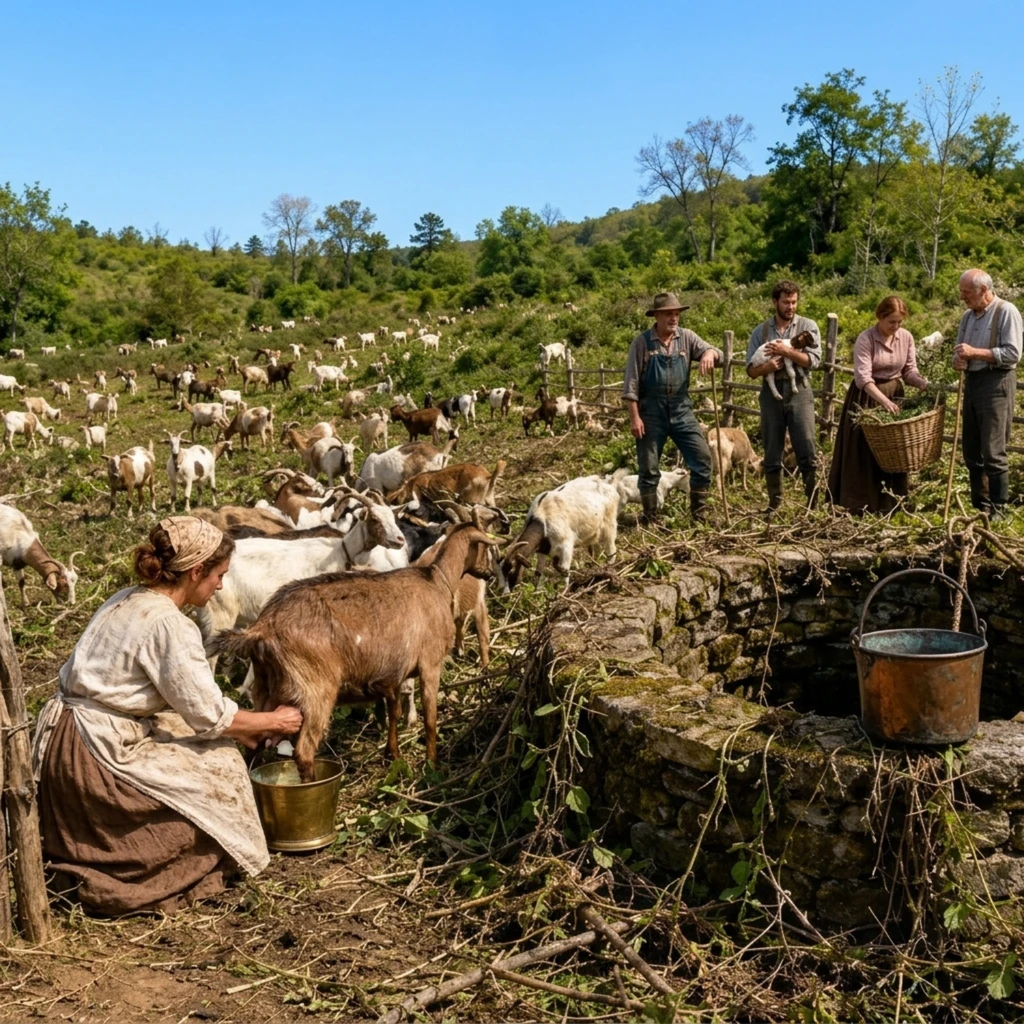
The procession began slowly, hesitant footsteps echoing in the stillness. Neighbors she had once seen as scoffers now stood before her, their faces etched with a blend of hope and humility. Elspeth met their gazes, seeing in them the same determination she had felt when she first arrived in Redemption.
“Thank you for coming,” she said, her voice steady. “I have water to share, and I ask only for fairness in return.” The crowd shifted, surprise flickering in their eyes. They had expected a negotiation, a price that would exploit their desperation. Instead, she offered a simple exchange: five cents a bucket for those who could pay, and for those who could not, an hour of honest labor for ten buckets or free water for families with young children.
The townsfolk stood in stunned silence, the weight of her generosity sinking in. One by one, they began to step forward, laying coins on the fence post or pledging their labor. Elspeth felt a warmth spread through her as she watched them come together, united by a common need.
But amidst the hope, a familiar figure emerged from the crowd—Marcus Thorne, his expression a mix of rage and disbelief. He had heard the rumors, and now he sought to reclaim his power. “Mrs. Finch,” he boomed, his voice cutting through the air like a knife. “You’ve been hoarding a water source, an undeclared asset.”
Elspeth met his gaze, unyielding. “There is a well,” she replied, her voice clear. “But it is not mine to hoard. It belongs to the land and to the people of this valley.” The tension in the air crackled as Thorne’s face reddened, his eyes narrowing with fury. He had underestimated her resolve, and now he was cornered.
With the townsfolk rallying behind her, Elspeth felt a surge of strength. She had turned a potential disaster into an opportunity for unity. As the first bucket was lowered into the well, the sound of water splashing echoed through the valley, a symbol of hope and renewal.
The community worked together, forming a line that stretched across the field. Elspeth watched as families filled their buckets, their faces lighting up with gratitude. She had become a neighbor, a source of salvation, and in doing so, she had transformed the perception of her once-derided land.
As the days turned into weeks, the well became a lifeline for Redemption. The laughter that had once accompanied her efforts now filled the air as families gathered to share stories and support one another. Elspeth’s heart swelled with pride as she witnessed the transformation of the town—a community that had once doubted her now thrived in the face of adversity.
But the drought was not over, and the threat of scarcity loomed large. Thorne, still seething with resentment, plotted his revenge. He sought to exploit the town’s desperation, using his influence to manipulate the situation for his own gain. Elspeth knew she had to remain vigilant; the well was a beacon of hope, but it also made her a target.
One afternoon, as she tended to her goats, Finn approached with a worried expression. “They’re saying Thorne is trying to take the well, Elspeth. He’s telling everyone it’s his right to assess it for taxes.” Elspeth’s heart sank. She had known this would come, but the reality of it felt like a punch to the gut.
“We can’t let him take it,” Finn said, determination shining in his young eyes. “You’ve done so much for everyone. They’ll stand with you.” Elspeth nodded, her mind racing with possibilities. She would not let Thorne’s greed destroy what they had built together.
As the sun began to set, casting a warm glow over the valley, Elspeth gathered the townsfolk for an urgent meeting. They convened at the fence line, their faces illuminated by the fading light. “We have a challenge ahead,” she began, her voice steady. “Marcus Thorne seeks to take what we have created together. But this well is not just a source of water; it is a testament to our resilience.”
The crowd murmured in agreement, their spirits bolstered by her words. “We must stand united,” Elspeth continued. “If we fight for this well, we fight not just for ourselves, but for our community. We have the power to protect what we’ve built.”
The townsfolk nodded, their resolve strengthening as they rallied behind her. They formed committees to strategize, to gather evidence of the well’s history and its importance to the community. Elspeth felt a surge of hope; they were no longer just individuals struggling for survival, but a collective force determined to protect their future.
As the days passed, Elspeth and the townsfolk worked tirelessly to prepare for the inevitable confrontation with Thorne. They gathered stories of the well’s origins, of the settlers who had once dug it deep into the earth, and of the generations that had relied on its water. They documented their shared experiences, their struggles, and the newfound bonds that had formed through adversity.
The day of reckoning arrived, and Elspeth stood before the county assessor, flanked by her neighbors. Thorne arrived with an air of arrogance, his confidence radiating from him like a dark cloud. But as he surveyed the crowd, he realized that the tide had turned. The townsfolk stood united, their determination palpable.
Elspeth stepped forward, her voice unwavering as she presented their case. “This well is a lifeline for our community, a symbol of our resilience. It is not just an asset to be assessed; it is a source of life, and we will not let it fall into the hands of greed.”
The assessor listened intently, his expression shifting as he absorbed the gravity of the situation. Thorne fumed beside her, his frustration evident as he attempted to interject, but the townsfolk’s voices drowned him out. They spoke of their struggles, their gratitude, and the importance of the well to their families.
In that moment, Elspeth realized that they were not just fighting for water; they were fighting for their identity, their community, and their future. The well had become a symbol of their shared strength, a testament to what they could achieve together.
As the sun dipped below the horizon, casting a golden hue over the valley, Elspeth felt a surge of hope. They had come too far to turn back now. The well had not only provided water; it had forged bonds that would last a lifetime.
The outcome of their struggle remained uncertain, but Elspeth knew one thing for sure—the land had not forgotten what it held, and neither would she. Together, they would fight for their future, united by a spirit of resilience that would carry them through whatever lay ahead.