(Part 2) Neighbors Mocked Him for Building a Home Inside a Dry Well — Then the Winter Blizzard Came
(Part 2) Neighbors Mocked Him for Building a Home Inside a Dry Well — Then the Winter Blizzard Came
.
.
Part 2: The Legacy of the Well
As spring arrived, the harsh winter retreated, leaving behind a landscape transformed. The well, once a sanctuary, began to fill with dirt and debris, becoming a shallow depression in the earth. Thaddius watched as the seasons changed, knowing that the lessons learned within the well would not be forgotten, even if the well itself was no longer visible.
Thaddius set out to build anew, this time on a stretch of land that most would have overlooked. It was thin soil, poor for crops, but it was backed by a low hillside that broke the wind before it could gather strength. This time, he would build not just to survive the winter but to create a home that would endure through many seasons.
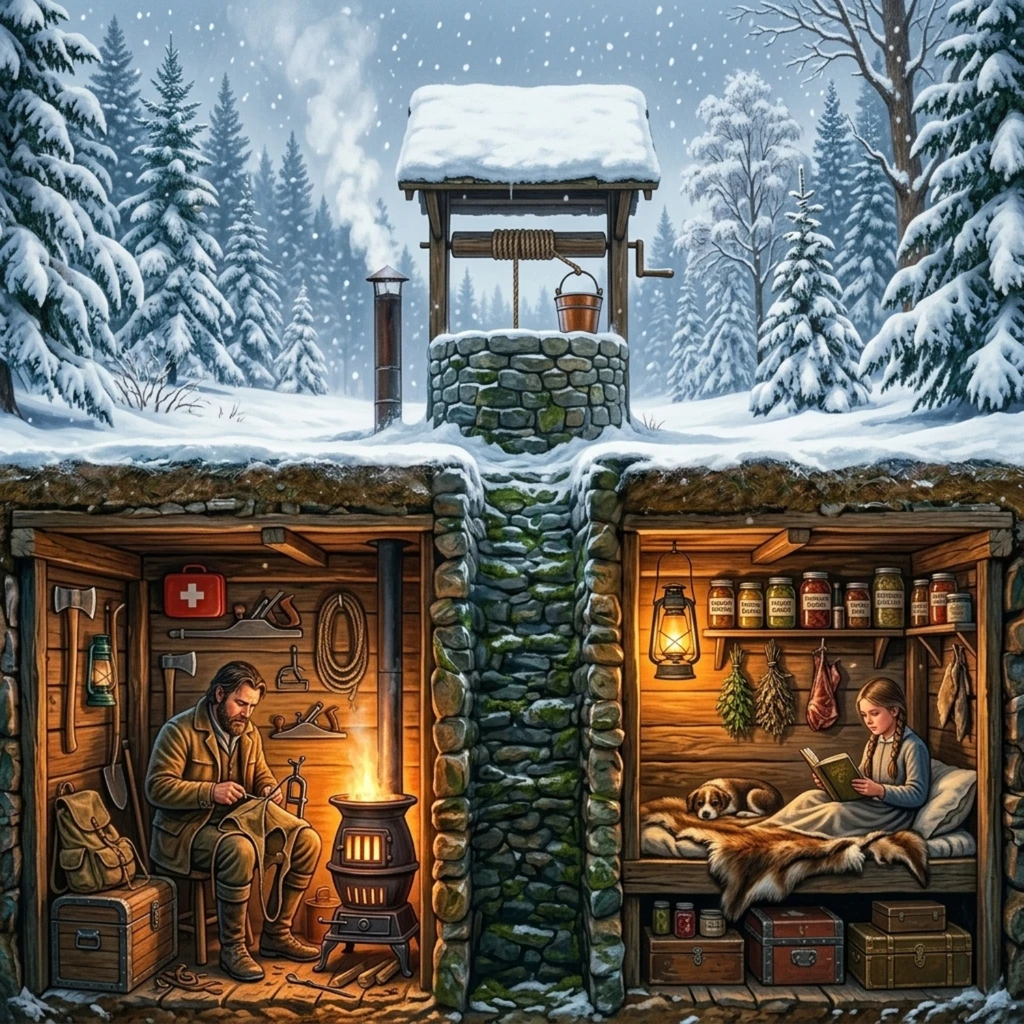
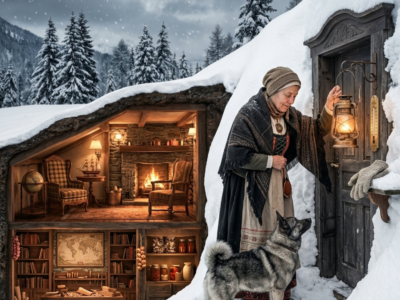
He cut into the slope, designing a structure that would harness the earth’s natural stability. The walls were not built against the wind; they were built into it, designed to limit loss and maintain warmth. As he worked, he felt a sense of purpose, a connection to the land that had once seemed so unforgiving.
Eli, now a young man, watched his father with admiration. He had grown up in the well, learning the principles of survival and resilience. Thaddius had instilled in him a respect for the land and its power, and as they worked side by side, Eli began to understand the importance of building with intention.
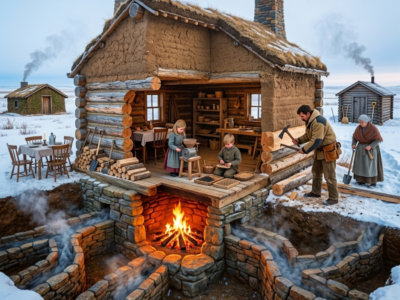
As they constructed the new home, word spread through the community. People came to watch, to learn, and to help. The lessons of the well had taken root, and the townsfolk began to adopt Thaddius’s methods. They cut into hillsides, built structures that embraced the earth, and learned to work with the wind rather than against it.
Miriam Cole, who had once observed Thaddius’s work with skepticism, returned to lend her expertise. She had spent years learning alongside her father, and now she stood beside Thaddius, sharing insights and ideas. Together, they refined their techniques, creating spaces that were not only functional but also harmonious with the environment.
As the days turned into weeks, the new home began to take shape. It was lower, quieter, and less exposed than the old cabin. It required less wood, less repair, and less constant attention. Thaddius felt a sense of fulfillment as he watched the structure rise, knowing it would provide safety and warmth for his family.
But the true test of their new way of building came when the next winter arrived. The winds howled once more, and the snow fell in sheets, covering the land in a thick blanket of white. Thaddius and Eli prepared for the season, stocking up on firewood and ensuring that the new home was ready to withstand the elements.
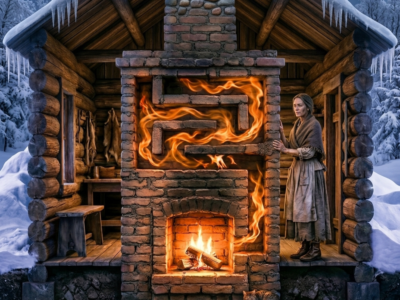
As the storm raged outside, Thaddius felt a sense of calm within the walls of their home. The fire burned steadily in the stove, and the air remained still, untainted by the wind that howled above. Eli lay down to sleep, not waking to the cold but rather to the warmth that enveloped them.
Days turned into weeks, and the storm showed no signs of easing. The town above struggled, their resources dwindling as they fought against the elements. But Thaddius and his family remained steady, their home holding strong against the relentless winter.
Word spread of Thaddius’s success, and soon others began to seek him out for guidance. They came to learn how to build, how to create spaces that could endure the harshness of winter. Thaddius welcomed them, sharing his knowledge and experiences, teaching them the principles that had helped him survive.
As the winter wore on, the community began to change. No longer did they fight against the elements; instead, they learned to work with them. They built homes that embraced the land, structures that limited loss and maintained warmth. The legacy of the well had taken root, transforming the way people lived and survived in Wyoming.
When spring finally arrived, it brought with it a sense of renewal. The land thawed, and the community emerged from the depths of winter, stronger and more resilient than before. Thaddius looked around at the changes, knowing that the well had been a catalyst for transformation.
But as the seasons changed, so too did the landscape. The well, once a symbol of survival, had filled and faded from memory. Yet, the lessons learned there remained etched in the minds of those who had witnessed the transformation. They no longer spoke of the well, but rather of the way things were done—how to build, how to endure, and how to thrive.
Years passed, and Thaddius’s children grew. Eli took to the land, following in his father’s footsteps, while May found her own path, exploring the world beyond their home. The family thrived, their roots deepening in the soil that had once seemed barren.
As Thaddius aged, he reflected on the journey that had brought them to this point. He had faced the harshest of winters, but it was the lessons learned in the well that had shaped his family’s future. He had not just survived; he had thrived, and in doing so, he had left a legacy that would endure long after he was gone.
One day, as Thaddius walked the land, he paused to look at the spot where the well had once stood. It was now just a memory, a faint depression in the earth. But the spirit of resilience remained, woven into the very fabric of the community. The winters had not changed; nature held to its terms. But the people had changed how they met it.
And in that quiet shift, something profound took hold—not a story, not a name, but a way of building that did not ask to be remembered, only to be used. Thaddius had left nothing behind that could be pointed to and claimed, but he had left something far more valuable: a way to endure that did not depend on being known.
As he turned to head back home, Thaddius felt a sense of peace. The land had given him much, and he had learned to give back in return. If you had seen it with your own eyes, would you have mocked him too, or would you have stepped down into that well before the winter made the choice for you? The answer lay not in words but in the legacy of resilience that would echo through generations to come.