(Part 2) Kicked Out With Two Kids, She Found a Sealed Cellar No One Had Opened in Years — It Held Everything
Kicked Out With Two Kids, She Found a Sealed Cellar No One Had Opened in Years — It Held Everything
.
.
Part 2: The Awakening
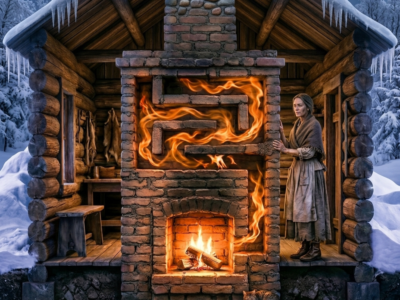
The next morning, Elara decided to act on the instructions in Silas’s journal. It was a gamble, a leap of faith into the unknown. She showed Leo the diagrams, and his fear transformed into boyish fascination. Together, they began their work, scouring the cottage for the primary air intake described in the journal.
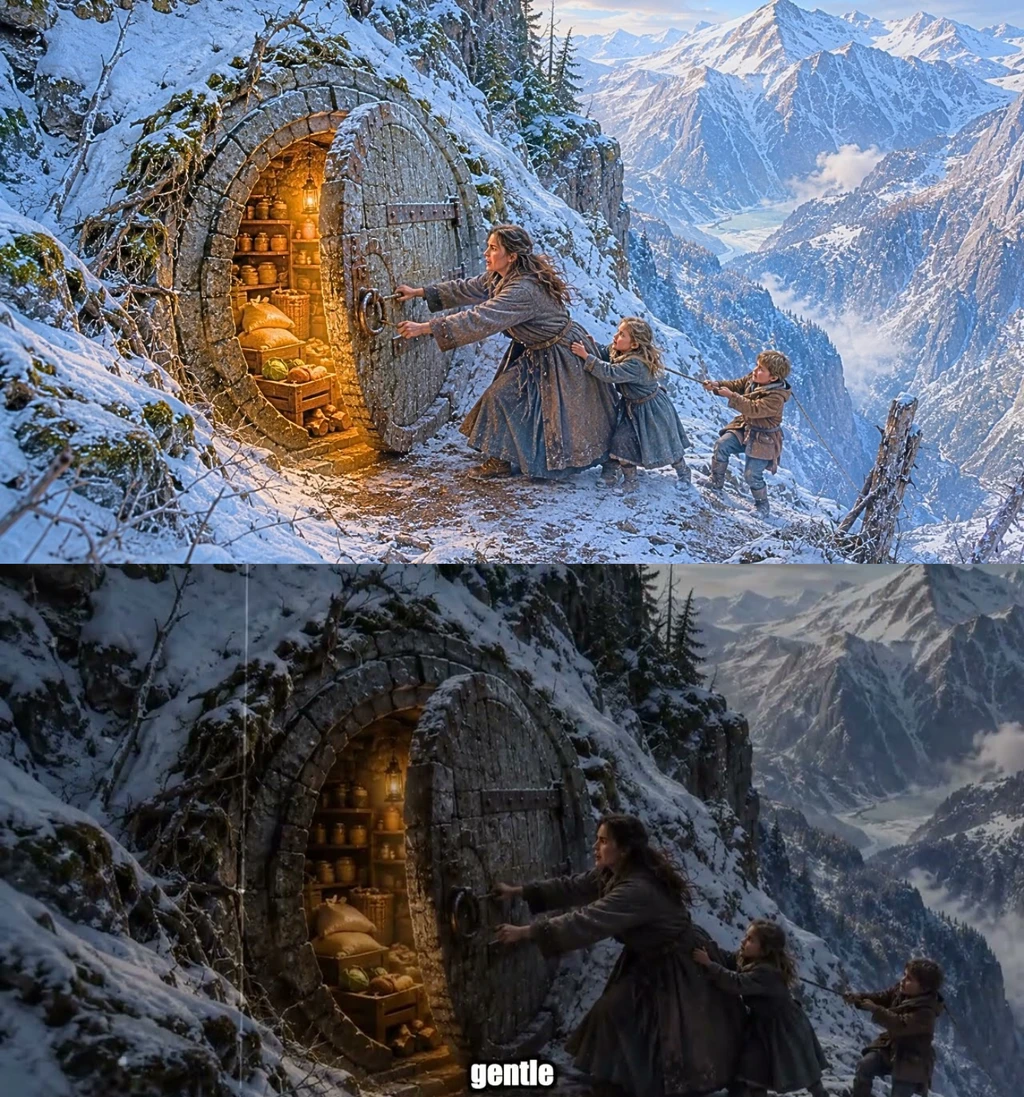
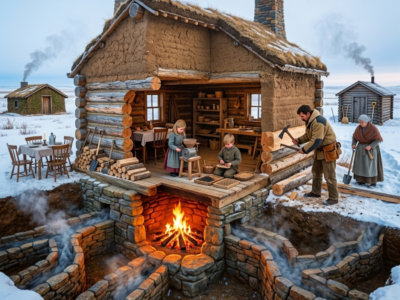
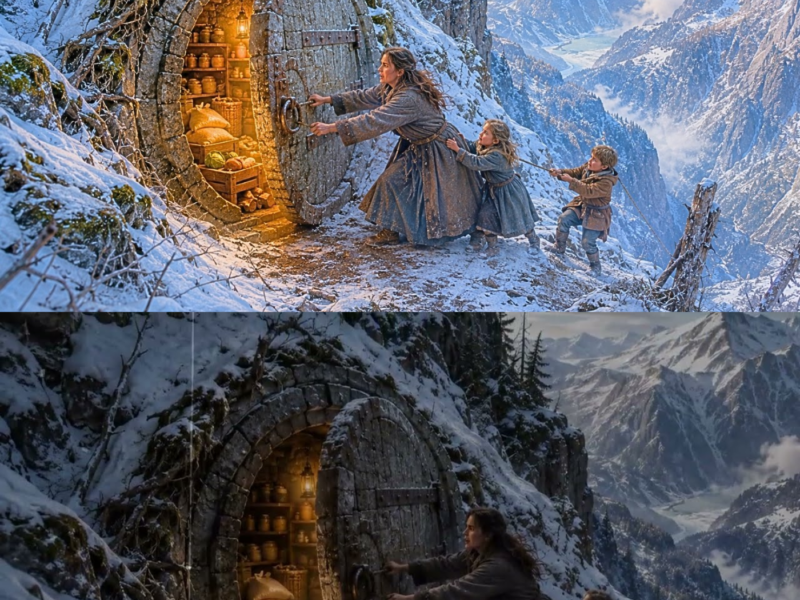
Days turned into a brutal struggle as they dug through the cold, hard earth, uncovering the stone arch completely buried under a landslide of roots and dirt. Elara’s hands bled, her muscles screamed in protest, but Leo’s determination fueled her resolve. Mia, too young to dig, gathered dry moss for insulation, her small contributions vital to their survival.
They prepared the special mortar outlined in the journal, using their own hair as binding material when they couldn’t find horsehair. As Elara mixed the clay and granite dust, she felt a strange connection to Silas, moving to the rhythm of his words and actions. She was no longer just a victim of circumstance; she was a restorer, a caretaker of lost knowledge.
As she crawled into the narrow dark channels beneath the floor, she packed the new clay mixture into the gaps, her fingers growing numb from the cold. Each day brought exhaustion and self-doubt, but she pressed on, knowing that the fate of her family rested on her shoulders.
Then one day, Marcus appeared, his expensive boots slipping on the loose stones. He found her by the north wall, covered in clay and dirt. His condescending tone cut through her resolve. “Still playing in the dirt, Elara? I heard in town you were digging your own grave up here. Looks like they were right.”
His words struck her like stones, and for a moment, doubt seeped into her heart. Was she leading her children to their deaths? But as she looked at Leo and Mia, their trusting faces gave her the strength to turn her back on him and continue her work.
That night, Elara wept silently, feeling the weight of her struggles. But as she glanced at the journal, a sketch of a wolf curled in the snow caught her eye. “Nature wastes nothing. Its solutions are elegant and eternal,” Silas had written. The simple truth resonated within her. She was not fighting the cold; she was learning to live with it.
With renewed resolve, she continued her work, and after three weeks of relentless labor, the final task was at hand. They cleaned the heavy iron trapdoor and applied tallow to create a perfect seal. With solemn effort, they lowered the door into place. The sound it made was a soft, deep thud—a sound of profound completeness.
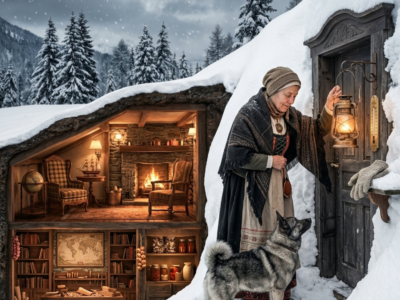
Over the next few days, Elara noticed a subtle transformation. The oppressive chill that had permeated the cottage was gone. The flagstone floor now held a neutral warmth, and the air drew steadily inward, pulled by a current almost undetectable. The house was breathing, and for the first time, she felt a flicker of hope.
Then, the radio crackled with dire warnings of an impending polar vortex. The townsfolk braced for a storm of historic proportions. Elara felt a tremor of fear, but it was overshadowed by her quiet confidence. She had done the work; she had placed her faith in Silas’s wisdom.
As the blizzard descended, the wind shrieked like an invading army, hammering against the cottage. But inside, an impossible peace reigned. The temperature held steady at 53°, and Elara cooked a stew for her children, their laughter echoing in the warm air. They were an island of calm amid the raging tempest.
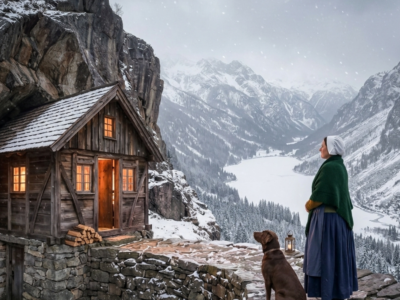
Days passed, and the storm raged without pause. The radio fell silent, the power grid failing. But they were not afraid. They had warmth, food, and each other. On the fourth day, the wind began to subside, and a strange silence fell. Elara pushed open the door against a massive drift of snow, revealing a breathtaking yet terrifying sight.
A small line of figures struggled through the drifts, desperate survivors making their way toward the cottage. As they drew closer, she recognized Mr. Abernathy leading the group, followed by townsfolk, and at the back, Marcus, gray with cold.
Elara met them at the door, their faces a mixture of exhaustion and awe. They stared at her, standing in the doorway, as the warm air enveloped them. Abernathy, breathless, explained their plight. The shelter’s generator was out of fuel, and they had come seeking refuge for the children.
Seeing their suffering, Elara felt only empathy. She nodded and stepped aside, welcoming them into the warmth of her home. As they shed their snow-caked layers, they were astonished by the impossible reality of the cottage. The warmth enveloped them, and Elara began to ladle out hot broth.
In the days that followed, the Greave transformed into a beacon of hope. The townsfolk rallied together, creating a communal kitchen and sharing resources. Elara was no longer an outcast; she was the heart of a new community forged in the crucible of the blizzard.
When the thaw came, engineers and architects arrived to investigate. Skeptical at first, they were astounded by the passive design. Elara became a consultant, sharing the knowledge that had saved her family. The cottage was renamed The Hearth House, a testament to its warmth and central place in the community.
Marcus, stripped of his arrogance, sold his farm and moved away. With a loan from the town, Elara bought it back but turned it into a community learning center dedicated to sustainable building.
As she sat on the porch of The Hearth House one evening, watching Leo and Mia chase fireflies, she realized she had found her place—not through inheritance but by building it with her own hands. The wind that once howled like a predator now whispered softly, a reminder of the lessons learned and the strength found in harmony with nature.
But as the sun set, a new uncertainty loomed on the horizon. What would happen when the next storm came? Would the wisdom of Silas Blackwood hold strong once again? The answer lay in the whispers of the wind, waiting to be discovered.