(Part 2) Kicked Out at 18, She Made a Cave Her Home — Then the Great Freeze Turned Deadly
(Part 2) Kicked Out at 18, She Made a Cave Her Home — Then the Great Freeze Turned Deadly
.
.
Part 2: The Return
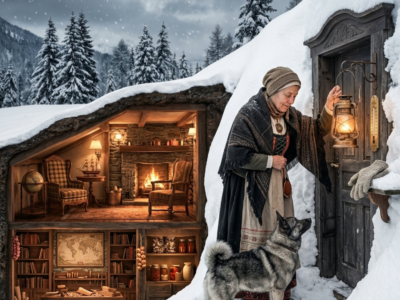
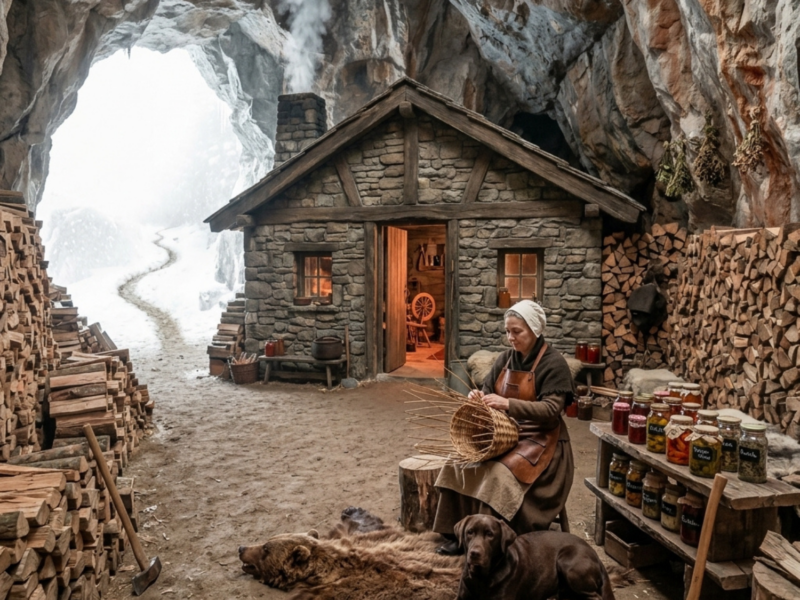
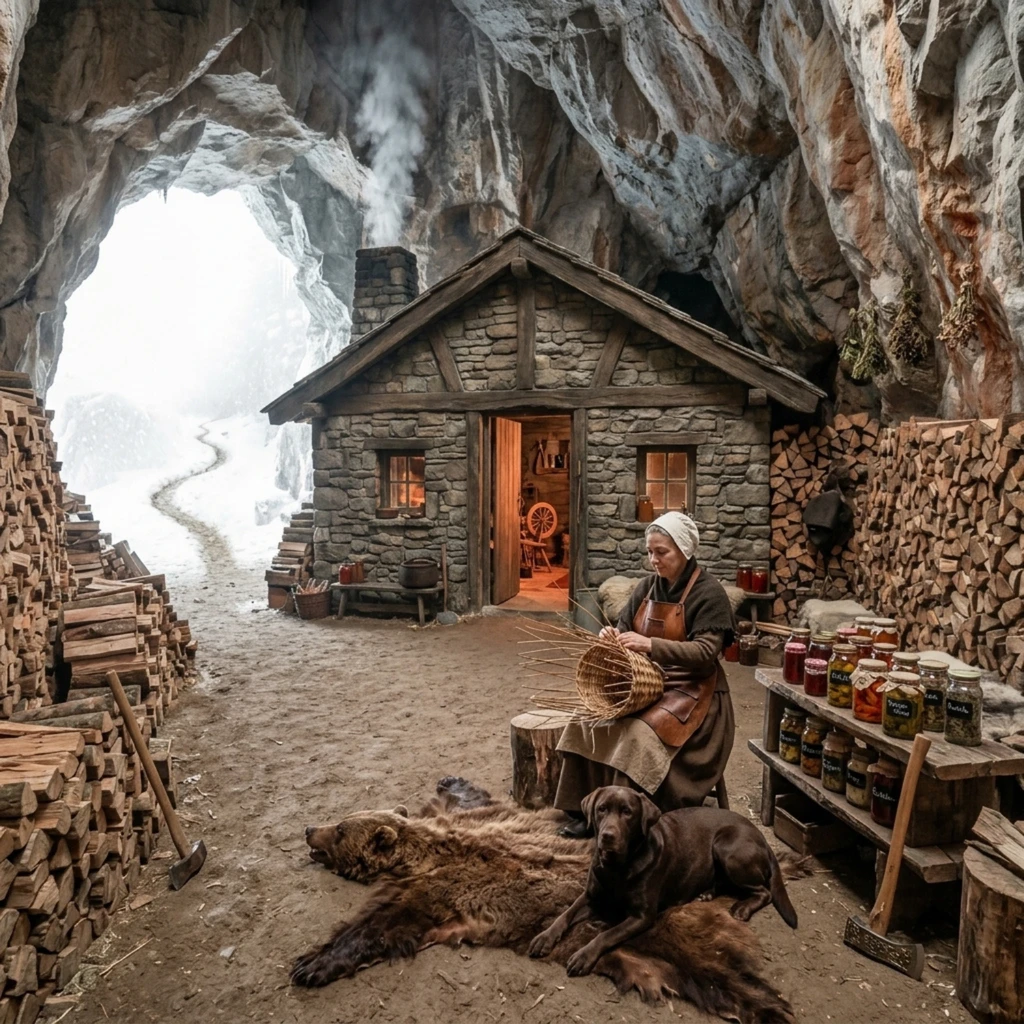
As the storm subsided, Sarah emerged from her hollow, the world transformed into a winter wonderland. She looked down at the village, now buried beneath a thick layer of snow, and felt a pang of longing mixed with determination. The knowledge she had gained in her solitude weighed heavily on her heart. She couldn’t let pride stand in the way of survival—not for her, and not for the people she had once called neighbors.
With each step down the mountainside, Sarah felt the weight of her decision. She would not return as a victim but as a teacher, armed with the skills she had honed through hardship. The villagers needed her, and she needed them. The cold might still be a formidable foe, but together, they could face it.
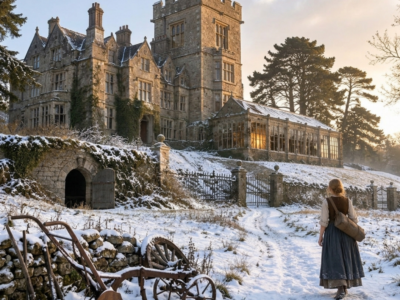
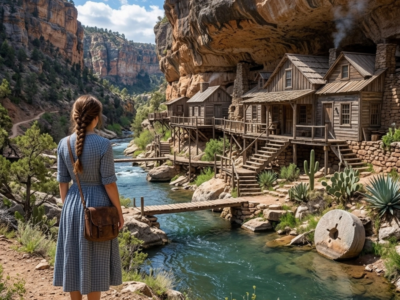
As she approached the village, she was met with wary gazes. The villagers had heard whispers of her survival, but seeing her in person stirred a mix of emotions—curiosity, guilt, and a hint of fear. They had exiled her, and now she stood before them, stronger and more resilient than ever. Sarah took a deep breath and stepped forward.
“I’ve come to help,” she announced, her voice steady. “I know how to survive the winter. I can teach you.”
The silence that followed was palpable. William Boone, the man who had taken her family’s home, stepped forward. His expression was a blend of remorse and uncertainty. “You survived?” he asked, incredulously.
“I did,” Sarah replied. “And I can show you how to do it too. But we need to work together.”
Slowly, the villagers began to nod, their expressions shifting from skepticism to hope. They had witnessed the harshness of winter, and Sarah’s presence offered a glimmer of possibility. Over the next few days, she shared her knowledge with anyone willing to listen. She taught them how to build stone walls that could withstand the wind, how to create insulated beds from moss, and how to trap rabbits for food.
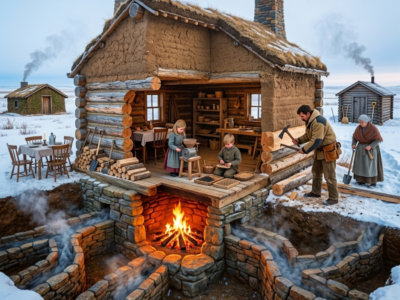
As the villagers embraced her teachings, a sense of community began to blossom. They worked together, sharing resources and ideas, rebuilding their homes with the methods Sarah had developed in her hollow. The village transformed, becoming a place of resilience rather than despair.
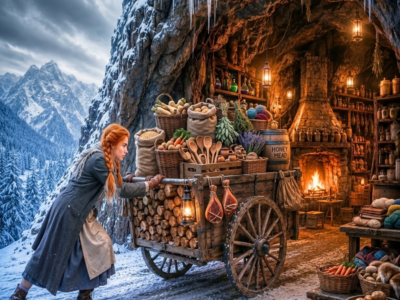
But as the days turned into weeks, Sarah felt the weight of her own choices. She had returned to the village, but the hollow remained her home. The connection she had forged with the mountain was deep and unbreakable. She had learned to thrive in solitude, and while she wanted to help her neighbors, she also cherished her independence.
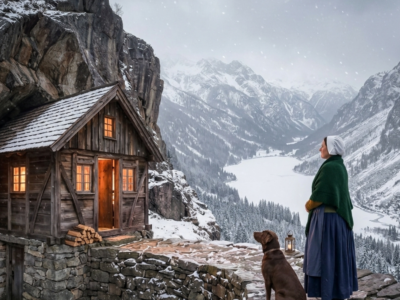
One evening, as the sun dipped below the horizon, casting a golden glow over the village, Sarah stood on her ledge, contemplating her future. She had become a bridge between the mountain and the village, sharing knowledge and fostering a sense of community. Yet, she couldn’t shake the feeling that her journey was far from over.
As winter began to thaw, Sarah received unexpected visitors—families from neighboring valleys seeking refuge and knowledge. They had heard of the girl who had survived the winter and wanted to learn from her. Sarah welcomed them, recognizing that her hollow could become a sanctuary for those in need. She began documenting her teachings in a way that could be shared, creating a legacy that would outlast her.
With each new visitor, the hollow grew into a hub of learning and survival. People came to understand that survival was not just about individual strength but about the power of community. Sarah’s story spread, inspiring others to adapt and thrive in the face of adversity.
As spring blossomed, Sarah stood on her ledge, watching the village come to life. Children played in the mud, laughter echoed through the air, and smoke rose from every chimney. She had found her place—not just as a survivor but as a leader, a teacher, and a beacon of hope.
In that moment, Sarah realized that she had not only survived but had transformed her pain into purpose. The hollow, once a refuge from despair, had become a symbol of resilience, a testament to the strength of the human spirit. And as the wind whispered through the trees, carrying the scent of new beginnings, Sarah Hayes knew that her journey was just beginning—one of connection, community, and endless possibilities.