(Part 2) Cast Out as a Thief, He Hid Inside a Hollow Tree — Then the Worst Blizzard Arrived
(Part 2) Cast Out as a Thief, He Hid Inside a Hollow Tree — Then the Worst Blizzard Arrived
.
.
Part 2: The Path Forward
As Thatcher stepped outside the cottonwood, the sun broke through the clouds, illuminating the landscape with a soft glow. The valley lay transformed, the aftermath of the blizzard revealing both destruction and beauty. Snow clung to the trees, creating a winter wonderland, but the remnants of the storm were evident—fallen branches, scattered debris, and the unmistakable silence that followed a fierce battle.
Thatcher surveyed the damage around his shelter, his heart swelling with pride. The cottonwood had withstood the storm, and so had he. The experience had forged him into something new, someone capable of overcoming the odds. Yet, as he looked around, he realized that survival was only the beginning. Now, he needed to build a life.
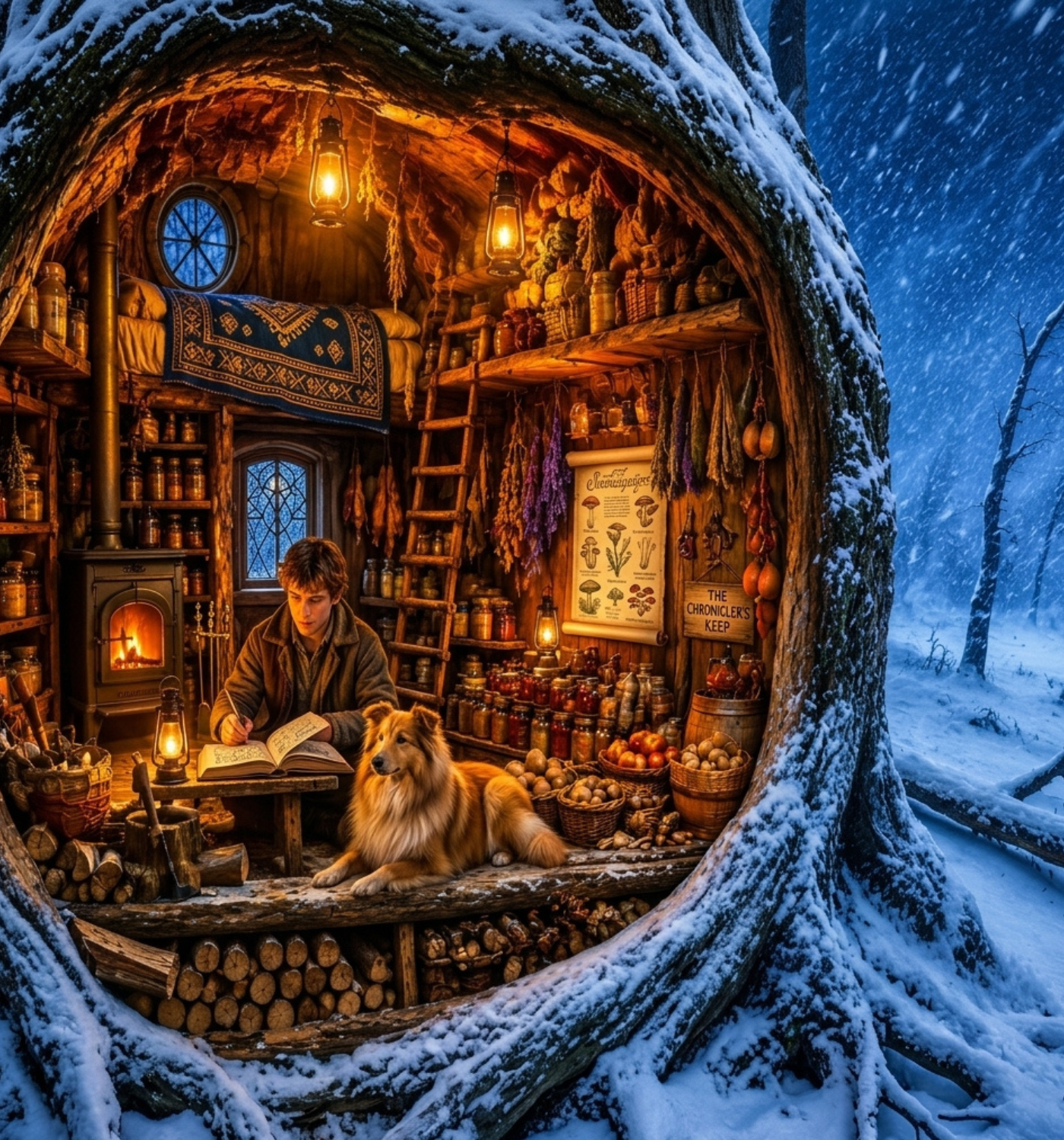
Days turned into weeks as Thatcher adjusted to the rhythm of life in the wilderness. He continued to trap and gather food, but he also began to explore the surrounding area. Each day brought new discoveries—hidden groves, animal tracks, and the beauty of nature in its rawest form. Bracken remained his loyal companion, always by his side, sharing in the joys and challenges of their new existence.
As spring approached, Thatcher became more aware of the world beyond his hollow tree. He could hear the distant sound of birds returning, the rustle of new leaves, and the gentle flow of melting snow. The forest was awakening, and with it, so was he. The lessons from Thaddeus and Jeremiah echoed in his mind, guiding him as he navigated this new chapter of his life.
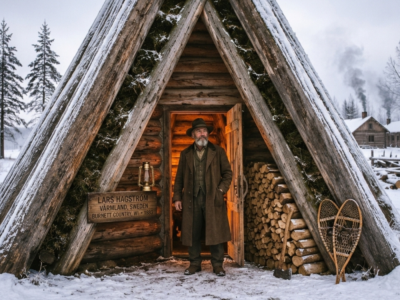
One afternoon, while gathering firewood, Thatcher noticed a thin column of smoke rising in the distance. Curiosity piqued, he followed the trail, his heart racing with anticipation. What if there were others out there? What if he was not alone? As he drew closer, he caught sight of a figure—a gray-bearded man leading a pack mule.
Thatcher hesitated, unsure of what to do. He had spent so long in solitude, relying only on himself and Bracken. But the sight of another person stirred something deep within him—a longing for connection, for community. Gathering his courage, he stepped forward, calling out to the stranger.
The old man turned, his eyes narrowing as he assessed the young boy before him. Thatcher felt exposed under the stranger’s gaze, but there was no turning back now. The man approached slowly, studying the cottonwood and the careful improvements Thatcher had made. Thatcher felt a swell of pride as the man inspected the entrance, the drainage channels, and the stacked firewood.
“You’ve done well for yourself, boy,” the old man said, a hint of approval in his voice. “Name’s Jed Mercer. I’ve been traveling these mountains for over forty years. Not many survive a winter like you just did.”
Thatcher felt a rush of warmth at the compliment. “I had help,” he replied, glancing at the carved owl hanging near the entrance. “Thaddeus Crowe taught me a lot before… before I left home.”
Jed nodded, his expression thoughtful. “It sounds like he prepared you well. The wilderness can be unforgiving, but it also offers a chance for growth. You’ve taken that chance, haven’t you?”
As they talked, Thatcher felt the walls he had built around himself begin to crumble. Jed shared stories of his own experiences in the wild, of the lessons learned through hardship. The conversation flowed easily, and for the first time in a long while, Thatcher felt a connection to another person, a bond forged through shared understanding.
Over the following weeks, Jed returned to visit Thatcher regularly. Each time, he brought new supplies or stories of the valleys beyond. He introduced Thatcher to other trappers and homesteaders, people who had also carved out lives in the wilderness. Word spread about the boy who had survived the blizzard, and soon visitors came to see the cottonwood and the young man who had turned it into a home.
One day, Jed arrived with his sister, Martha Mercer. She was a widow, her hands weathered from years of hard work. As she handed Thatcher a patchwork quilt stitched from old shirts and blankets, he felt a surge of gratitude. It was a simple gift, but it carried with it a sense of care and community that he had longed for.
In return, Thatcher gifted her the small wooden owl he had carved, a token of appreciation for the warmth and kindness she had shown him. As she turned it over in her hands, a smile spread across her face, and he felt a connection to her that went beyond words.
As spring unfolded into summer, Thatcher found himself becoming more integrated into the community. He helped his neighbors with their chores, shared meals, and learned from their experiences. The isolation that had once defined his life began to fade, replaced by a sense of belonging.
But even as he embraced this new life, Thatcher could not forget the past. He often thought of Black Alder Crossing, of his father, and of Eleanor. The anger that had once consumed him had softened, replaced by a deeper understanding of grief and loss. He realized that Eleanor’s bitterness had stemmed from her own pain, a reflection of the love she had lost.
One evening, as he sat outside the cottonwood, watching the sun dip below the horizon, Thatcher felt a profound sense of peace. The forest around him was alive with the sounds of summer—birds chirping, leaves rustling, and the distant flow of water. Bracken lay at his feet, content and relaxed, a testament to the bond they had forged in their journey together.
Yet, even in this moment of tranquility, a question lingered in the back of his mind. What would happen when winter returned? Would he be able to face it again, not just as a survivor but as a part of something greater? The thought stirred a sense of determination within him.
As the days grew longer and the warmth of summer enveloped the valley, Thatcher began to prepare for the future. He worked alongside Jed and the others, learning new skills and gathering supplies. He built stronger traps, expanded his knowledge of the land, and honed his ability to read the signs of nature. Each lesson was a step toward building a life that would endure, not just for the winter ahead, but for the years to come.
One crisp autumn morning, as the leaves began to turn, Thatcher stood at the entrance of the cottonwood, taking in the beauty of the changing season. He felt a sense of gratitude for the journey he had undertaken, for the lessons learned, and for the people who had become his family.
But as he looked toward the northern hills, a familiar chill ran down his spine. Winter was coming, and with it, the challenges that would test him once again. This time, however, he was not alone. He had built a community, a support system, and a place that felt like home. The past had shaped him, but it would not define him.
As the first snowflakes began to fall, Thatcher smiled, ready to face whatever lay ahead. The journey was far from over, but he had found his place in the world—a place where he belonged, a place where he could thrive. And with that thought, he stepped back into the warmth of the cottonwood, ready to embrace the winter and all the challenges it would bring.